
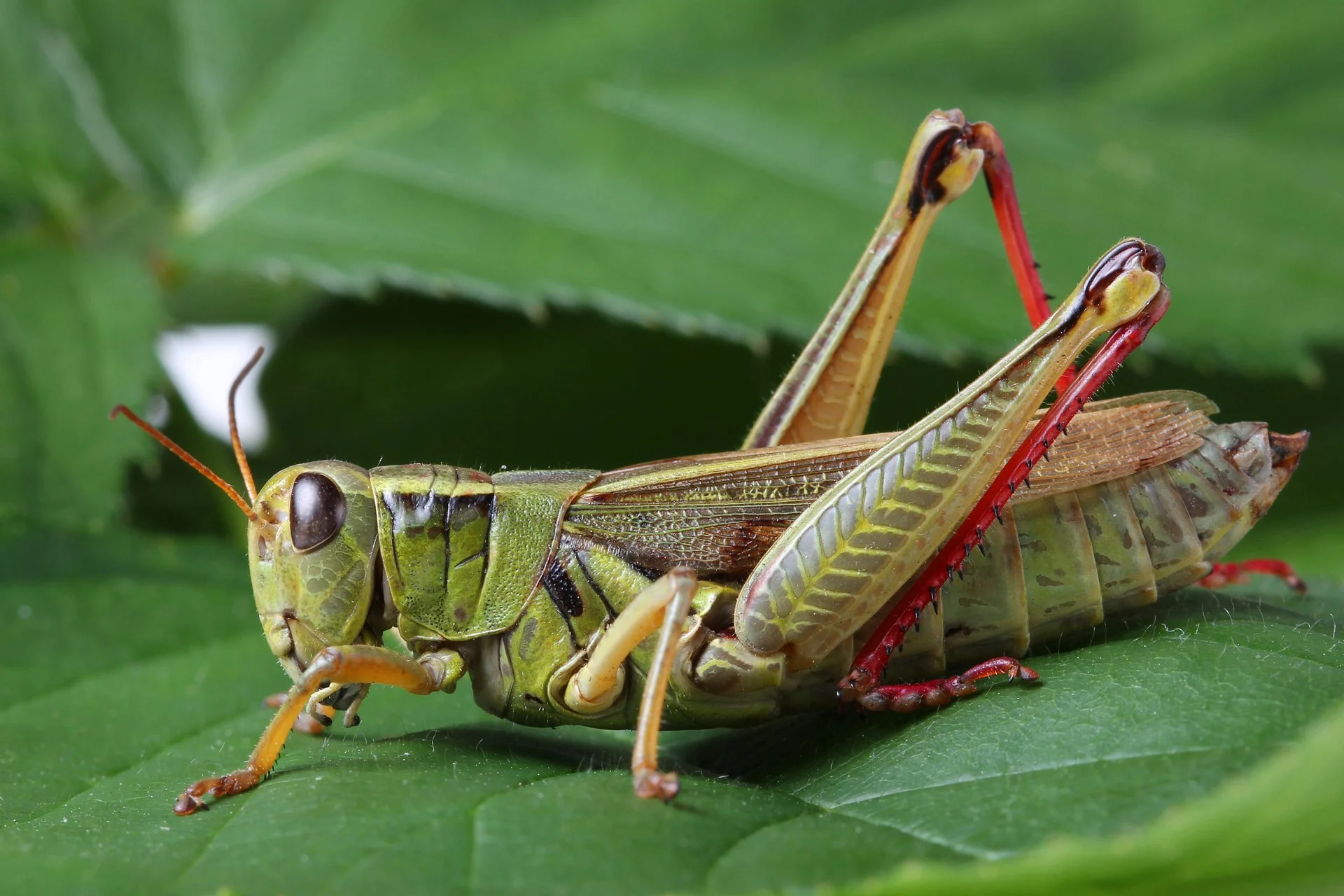
What does a grasshopper taste like? You may not care to know the answer. However, even if you don’t, the Torah instructs us to try to learn how to distinguish between the species which are permissible and those which are not.1 The Torah assigns particular significance to discussion of “Arbeh” which is translated as locust, specifically, the Makkah in Egypt and the plague that occurred in the days of the Prophet Yoel.2 The Mahara”l explains that whereas other Makkos were extraordinary and mainly outside of the realm of nature, Arbeh is a natural phenomenon which is not uncommon. People relate to natural phenomena and are fearful of them.3 This is demonstrated in Shlomo Hamelech’s tefilla during the Chanukas Beis Hamikdash that we be saved from all troubles including famine and Arbeh.4 Fascinatingly, the Gr”a in Mishlei learns a lesson from the behaviour of Arbeh. While Arbeh have no leader, their power of achdus and ability to act in unison is all powerful and, when unleashed, can destroy everything in their way. Similarly, when the power of achdus is absent from the Jewish people, we lose power and suffer consequences.5
The Torah identifies four types of kosher grasshoppers by name, Arbeh, Sal’am, Chargol and Chogov. The Gemara in Chullin (65a) adds an additional four kosher species to the list; Tzipores Kramim, Yochana Yerushalmis, Tayman (page 218) confirms this species as kosher while explaining that this is from the only species that travels in swarms. In Sefer Meleches Hakodesh, Parshas Shemini, the author identifies the kosher species as Amrid which he says is the species that is found in locust plagues. Ertzuvia, Harzabnis. However, from a total of eight hundred species of grasshoppers, a mere one percent – eight out of eight hundred, is kosher. This presents a challenge in identifying the kosher grasshopper.6 The only siman kashrus that is mentioned in the Torah is that their knees bend higher than their legs, enabling them to jump around the land.7 Rashi adds more simanim that are provided by Chaza”l, namely that they have four legs plus four wings and that those wings cover most of their body.8 Ultimately, Rashi describes that some have elongated heads while others have no tails and that to be kosher, we must be able to identify it as Chogov. Since we are not experts in which species of grasshoppers are called Chogov, they should all be avoided.9
From the eight listed kosher species, it seems that the present-day discussion about a tradition of kosher grasshoppers is limited to the original species called Arbeh. Indeed, the mesorah comes exclusively from the Jews of Yemen and North Africa who have identified three kosher species as the desert locust (schistocerca gregaria), European locust (locusta migratoria) and Moroccan locust (dociostaurus marocanus); with the most common being the desert locust. The last Chief Rabbi of Yemen, Rabbi Amram Qorah, writes in his sefer called Sa’aras Tayman (page 99) that there was a tradition in Yemen to eat the grasshopper called girad and that it is undoubtedly kosher. Rabbi Yosef Kapach in his sefer called Halichos On the other hand, Rabbi Chaim ibn Attar, the Ohr Hachaim Hakadosh, also lived in Morocco over three hundred years ago where grasshoppers were common and he issued a ban on their consumption. In his sefer on Shulchan Aruch called Pri Toar, the Ohr Hachaim Hakadosh brings the opinion of Rashi that the jumping legs of a kosher grasshopper are actually a separate set of legs which are located high up on its body, near its neck. He uses this to refute the claim that the desert locust is kosher since its jumping legs are not located next to its neck. In fact, no known locust appears the way that Rashi describes. In the common grasshoppers and locusts, including those that many in his community were accustomed to eating, the jumping legs were below the four walking legs, toward the rear of the insect. Based on this, as well as other reasons, he concludes that the local custom of eating these species of locusts was in error and people should refrain from eating any grasshoppers due to the difficulty in identifying the kosher species among the vast number of non-kosher species.10
This stringent approach is supported by the words of the Shulchan Aruch who says no 2 2025 / 5786 / HALACHIC CORNER matter what simanim the grasshopper bears, it cannot be consumed without knowing that it is from the Chogov species.11 The Taz in his commentary goes even further by adding that nowadays we do not consume any grasshoppers even if we know that they are from the Chogov species since we cannot be sure that we are experts in identifying them.12 In order to eat them, there must be a tradition that a grasshopper was consumed as kosher food.13 Some claim that even if there was a tradition to eat them, it must still be avoided unless the tradition includes identifying the kosher species as Chogov.14
Furthermore, it appears that the existing mesorah applied only to the darker grasshoppers (brownish turning black) and not to the ones that are green. The problem is that they are both from the same species! How could some members of the same species be kosher and others not kosher?15 The only explanation to this problem is to suggest that the reason they didn’t eat the green ones is because they have no taste16 or because they are inedible as opposed to saying they are not kosher.17
Some defend the practice of those who eat grasshoppers by explaining that Rashi is not referring to the jumping legs but rather the fore legs that enable the jumping legs to function.18 This is further supported by the opinion of the Rambam that specific knowledge to identify the species as the Chogov is required only if the particular grasshopper in question has characteristics which are not similar to the kosher grasshopper. However, grasshoppers that contain all of the kosher simanim can be considered kosher even if they are not called a Chogov.19 This should be obvious since Chogov is not the only kosher species listed in the Torah, although some claim that all kosher species are referred to as Chogov or Girad.20
There is another rather obscure siman kashrus that does not come up in halacha but does come up in a Medrash.21 Kosher grasshoppers will have a letter “ח” on their chest which stands for חיל as the insect acts as a soldier in the army of Hashem to carry out His wishes. The desert locust does indeed have a marking that appears like a letter ches on its chest and its kashrus status is undoubtedly supported by this siman.22 In conclusion, it appears that some allow kosher grasshoppers according to the traditions of the Yemenites and North Africans while most others, both in the Ashkenazi and Sephardic communities, do not.23 In our times, in most countries where we live together and communication is free flowing, perhaps there is room for everyone to eat it according to the mesorah of those who ate it throughout the years. While some rely on this,24 the opinion of most contemporary Poskim including Rabbi Chaim Kanievsky and Rabbi Ovadya Yosef zt”l is that a long standing position to forbid a particular food cannot be uprooted even if a new mesorah is presented.25 As a result, the most common custom in our countries maintains that grasshoppers are forbidden.
1 להרמב”ם אפילו אם אינם אכלם לידע המינים בעצמו הוא מצוה ועי’ רמב”ם ריש הלכות מאכלות אסורות שיש מחלוקת בזה. והרמב”ן לא מנה במנין המצות. ויש סימן שלם בשו”ע יו”ד (סימן ע”ה) שדן בדיני חגבים טהורים. וע”כ מוטל עלינו חוב לברר הנושא הזה של חגבים. ועי’ ספר קרני חגבים להגר”ח קנייבסקי שמבאר בהקדמתו שמקיים בזה מצות עשה לידע הסימנים שביניהם וע”ע פרק א’. הרי מוצאים את החגבים בפרשת בא (פרק י’ פסוק ב’) במכת ארבה
2 ומאריך התורה שיש חיוב מיוחד לספר את המכה הזאת דוקא וכמו שכתוב ולמען תספר באזני בנך ובן בנך את אשר התעללתי במצרים ואת אותותי אשר שמתי בם וידעתם כי אני ד’ מה שלא נאמר אצל מכה אחרת. וכן אנו מוצאים במכת הארבה שהיה בימי יואל הנביא הובא בספר יואל (פרק א’ פסוק ב’) שמעו זאת הזקנים והאזינו כל יושבי הארץ ההיתה זאת בימיכם ואם בימי אבותיכם עליה לבניכם ספרו ובניכם לבניהם ובניהם לדור אחר יתר הגזם אכל הארבה ויתר הארבה אכל הילק ויתר הילק אכל החסיל וגו’ הרי יש ענין לספר על המכת הארבה יותר שאר מכות. וע”ש איך שהנביא מאריך ומתאר את המכה באופן מפורט מאד. גבורות ד’ (פרק ל”ב), וכן אנו רואים בהתוכחה כי תבא (פרק כ”ח פסוק
3 ל”ח) זרע רב תוציא השדה ומעט תאסוף כי יחסלנו הארבה וגו’ וכל עצך ופרי אדמתך יירש הצלצל (והוא מין ארבה). מלכים א’ )פרק ח’ פסוק כ”ז(. עי’ תענית (פרק ג’ משנה ה’) על הדברים
4 שמתריעים עליהם אפילו בשבת וכו’ על הגובאי (שהוא מין חגב). עי’ מי שילוח תחילת פרשת בא. וע”ע בספר נצח ישראל (פרק ה’) לענין
5 השם קמצא שהוא מרמז לארבה ושלא היה להם אחדות בזמן ההוא כמו שהיה להארבה ולכן על קמצא ובר קמצא נחרב ירושלים. חולין (ס”ג:) תני אבימי בריה דרבי אבהו וכו’ וח’ מאות מיני חגבים יש.
6 ויקרא (פרק י”א פסוק כ”א)
7 משנה חולין (פרק ג’ משנה ז’)
8 ויקרא (שם) ד”ה ממעל לרגליו
9 פרי תאר (סימן פ”ה ס”ק א’) וע”ש שכ’ דאחד מהמתירים שלא שת לבו
10לחוש לאיסור הראוהו בחלום שהיה אוכל שקצים ורמשים והעירוהו כי הם הארבה שאכל היום וכמה דברים עשה ד’ והצדיק הדברים. וגדול הנס האחרון שעשה ד’ שתמיד רגיל היה מין זה לבוא לב’ או לג’ שנים ולא איחר טפי מד’ שנים. וכ’ דמשעה שפירסמתי איסורם וחכמי העיר הטו אזנם ואסרום מאותה שנה לא נראו עוד במערב למעלה מעשרים שנה. וכ”כ ג”כ בחיבורו אור החיים ויקרא (פרק י”א פסוק כ”א) ומסיים שם לכן כל ירא וחרד ירא ויפחד לבל יושיט ידו לשקץ הזה וימחה ביד שולחי יד. והנה מיום שנשמעו דברי במערב ופירשו מהם רבים לא נגע ד’ עוד במכה זו ולא מראו זה יותר מי”ב שנה כי תורה ומעשים טובים כתריס בפני הפורעניות עכ”ל. שו”ע יו”ד (סימן פ”ה בסעיף א’) וז”ל סימני חגבים כל שיש לו ארבע
11 רגלים וארבע כנפים וכנפיו חופים את רוב אורך גופו ורוב היקיפו ויש לו שני כרעים לנתר בהם וכו’ ואף על פי שיש בו כל הסימנים הללו אינו מותר אלא אם כן שמו חגב או שיש לו מסורת ששמו חגב עכ”ל. ועי’ ט”ז (ס”ק א’) ועכשיו נוהגים שלא לאכול שום חגב אפילו בידע ששמו
12 חגב לפי שאין אנו בקיאין בשמותיהם. בטור כאן כתב טעם לפי שאין לאכול אלא במסורת וגם זה מהוה ספק
13 גדול בכל המסורה כיון שאין ידוע לנו אם המין הזה שנקרא ארבה הוא זה שנקרא חגב. וגם בגלל הטעם הזה מעורר האור החיים בספרו הנ”ל ספיקות בהמסורה על החגבים ומצריך שיהיה לנו מסורה על המין המקובל ששמו חגב כדי שיהא מותר באכילה. ספר פאת שדך חלק א’ (סימן ס”ב) דזה גופא שמעידים שאכלו אותם,
14 אינו ראיה ורק אם מעידים שזה ששמו חגב אז אפשר לסמוך על מסורה שלהם וזה קשה לידע כהיום. פרי תאר (שם)
15 ר’ יוסף קאפאח בספרו הליכות תימן (עמוד 218) שהירוק והחום הם
16בעצם אותו המין אשר בשלבה ההתפתחות שלהם הוא משנה את צבעו והסיבה שלא אכלו את הירוק הוא משום חוסר טעם בספר נפת צופים לרבי פתחיה בירדוגו )סימן י”ג) שהטעם שלא אכלו
17 אותם הוא מחמת כחישותה דבעודה קטנים נפסלו מאכילת כלב ואסרו אותם מחמת מיאוס. עי’ בספר שיחת חולין שמבאר את דברי רש”י שלא יהיה קשה על
18 המציאות שהכוונה על שתי הרגליים הנמצאים בחלק הקידמי שהם נראים כמו שהם סמוך לראשו. וכן ביאר בספר נופת צופים יו”ד (סימן י”ג). והרב יוסף קאפאח בביאורו על הרמב”ם הלכות מאכלות אסורות מבאר שרש”י מדבר על השתי הרגליים הקודמים אשר לפני שקופץ עם השתי רגליים המיותרות מתחזק בהם וקופץ על ידיהם. מגיד משנה (פרק א’ הלכה כ”ב). ועי’ בספר חגורת שמואל (ס”ק ב’)
19 שאם יש מסורה על איזה מין אז אין צריך שיקרא שמו חגב . עי’ בספר זבחים שלמים ובספר זבחי צדק מחכמי מורוקו שתמיד היה
20 קוראים את המין הטהור בשם חגב או בשם ג’ראד והמין הזה היה להם את כל הסימני כשרות. מדרש הגדול שמות (י’ פרק י”ז)
21 ספר בניהו (עמוד ס”ה) תיאר את הארבה שהיה בארץ ישראל בשנת 1694
22שהיה להם סימן חי”ת על לבם על הכשרים, והיה אוכלים אותם. וכן הביא ר’ אברהם אנקאווא בספר זבחים שלמים הלכות שחיטה (פרק א’) שכן הוא. וכ’ שם שאין לסמוך על זה בלי שאר סימני כשרות. וכ”כ בספר עולת יצחק (סימן ר”ב אות ב’ ואות ד’). כן פסק הגר”ח קנייבסקי זצ”ל בספרו קרני חגבים (פרק א’ אות ה’)
23 שהנוהגין לאכלם מנהג בטעות. כן שמענו מהג”ר הערשל שכטר שליט”א במשרד של COR ביום ה’ 24 פרשת כי תבא תשפ”ה ואמר לנו שהוא סומך על הש”ך (סימן פ”ה ס”ק ב’) דכ’ דהצייד נאמן להעיד על מין שהוא חגב. אמנם כ’ עליו הפמ”ג שפ”ד (ס”ק א’) שעכשיו אין לסמוך כי אם במסורת. הרי מבואר דלא כ’ הש”ך דהצייד נאמן לעשות מסורה אלא לומר דמין זה נקרא חגב וצ”ע בדעת הרב הנ”ל ועי’ מ”ש בהערה הבאה שלא כן דעת פוסקי זמנינו. עיין במשנה הלכות בחלק ט”ז בסימן ט’ שמביא תשובות הרא”ש בכלל 25 כ’ בסימן כ’ על עוף אחד שאוכלים אותם במקצת מקומות שאם החזיקו באיסור כבר במקום אחד אין אנו יכולים להביא מסורה מקום אחר רק היכא דלא היו יודעים. ועי’ בערוך השלחן (סימן פ”ב) ובחכמ”א (כלל ל”ט) שעכשיו אין לאכול שום חגב אפילו אם יש להם את כל הסימנים וידוע ששמו חגב. רק הכף החיים התיר לבני תימן לאוכל החגבים בא”י אם יש
By: Rabbi Moshe Biller
COR, the Kashruth Council of Canada, is one of the world’s largest kosher certification agencies, certifying thousands of products, restaurants, and facilities. Learn more at cor.ca, or read about our certification services at corkosher.com.