
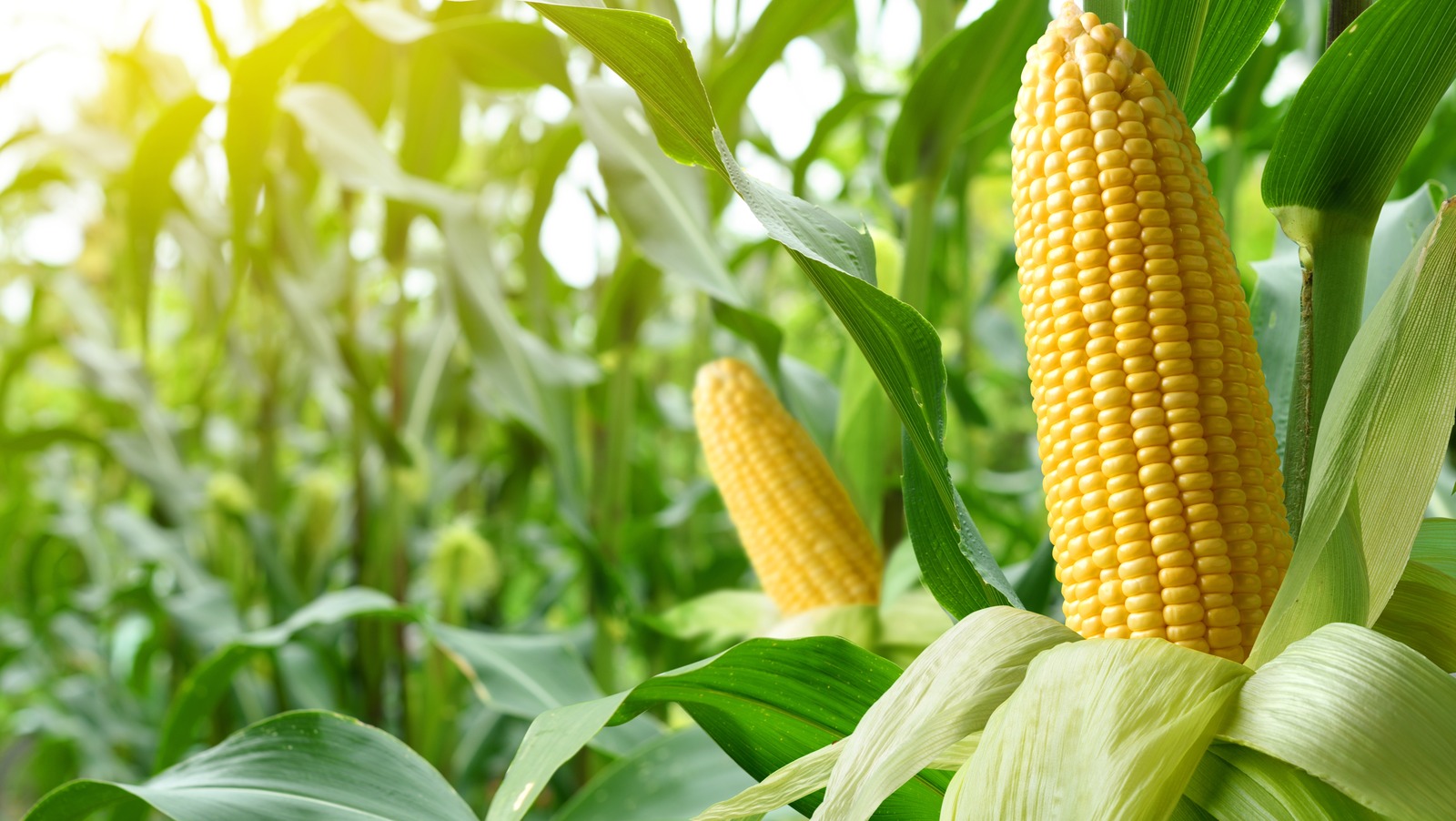
A discussion of the bracha rishona of corn chips, Corn Cakes, Corn Flakes and Popcorners
BY: RABBI TSVI HEBER
In this article, we address the appropriate brachos of contemporary products made from corn. There are two important points that should be clarified at the outset. Firstly, prior to the application of hilchos brachos to manufactured products, it is necessary to understand the metzius. Secondly, brachos on manufactured foods can change based on whether the process to make them becomes the normal way to consume that food. An example of this latter point is the bracha on hearts of palm. While the Gemara¹ is explicit that the bracha on hearts of palm is shehakol, many Poskim rule that nowadays the bracha has changed to ha’adoma.² They reason based on the Gemara that explains that shehakol is appropriate since palm trees are not planted for their hearts. However, nowadays, palm trees are indeed planted for their hearts and the bracha changes to ha’adoma.
Corn chips are a snack food made from cornmeal (cornmeal is ground corn with a course and gritty texture) fried in oil or baked, usually in the shape of a small noodle or scoop. Snappy Snax, for example, lists whole grain corn, as opposed to corn flour, as an ingredient. For Corn Cakes, a measured amount of pre-mixed grain is dropped into a mold. The mold is heated and the grain pops due to the high temperature of the mold. The popping grain cannot escape, and it fuses together in the circular shape of the mold that it is contained in.³ Corn flakes are made from corn kernels split into three equal parts, then dried, rolled into flakes and toasted. Finally, Popcorners are made from corn kernels that have been popped and then ground into a fine powder. The powder is then mixed with water and salt to create a dough, which is then formed into the shape of a chip. The chips are then fried in oil and served with a variety of dipping sauces. What are the brachos on these foods made from corn?
Some kashrus agencies have lists through which consumers can easily access information regarding the brachos of certified kosher products.⁴ If a corn flake cereal, for example, is not on the list, how does a consumer know what the bracha is? The Star-K writes that if the cereal lists corn flour the corn has been ground and reformed into pellets; therefore, the bracha is shehakol. If the cereal lists corn or milled corn, it may be a whole grain product and the bracha is ha’adoma or it may be ground and the bracha is shehakol. To determine the bracha one must look carefully at the various flakes. If they have jagged edges and the surface of the flake is bumpy it comes from a grit and the bracha is ha’adoma. If the corn flakes are relatively smooth with very small bumps and the edges are smoother the corn flakes are from a more uniform pellet and the bracha is shehakol.⁵ These guidelines are well publicized and as a result have become well-accepted. But what is the halachic source that they are based upon?
The Rema writes that for a cooked or baked product made from kitniyos, such as corn, the bracha only changes from ha’adoma to shehakol if either it has been totally mashed into something whose source is no longer recognizeable, or it has been made into a cooked dish which is not as tasty as the raw product.⁶ This seems to substantiate the guidelines mentioned above. A product made from corn flour is shehakol because the corn has been ground to the extent that it is no longer recognizaeable. Whereas a product made from corn or milled corn may not be considered ground enough for the bracha to change.⁷ Some go as far as to say that even if made from whole corn or milled corn the bracha would be shehakol so as long as the source of the product is not recognizeable.⁸ Accordingly, all the products mentioned above should be shehakol. However, all of this is far from a simple matter.
Let us first consider whether the bracha of mezonos might be appropriate for products made from corn flour. After all, mezonos is not specifically reserved for products made from flour of the chameishes minei dagan (wheat, barley, spelt, rye and oats). Products made from rice flour also achieve the bracha of mezonos since they satiate.⁹ Should this not apply equally to products that satiate which are made from corn flour? While some Rishonim hold that such products should indeed be mezonos, others disagree. They feel that since it is not common to produce baked and cooked products from flour of kitniyos, the appropriate bracha cannot be mezonos.¹⁰ Others slighly modify this reasoning and say that it is not because it is not normal to make products from the flour of kitniyos, rather it is because such products never attain the same chashivus as products made from the flour of chameishes minei dagan or even of rice. Such flour contains qualities that allow for the dough to properly rise which is not the case when it comes to products made from the flour of kitniyos.¹¹ Many Poskim, including the Mishna Berura, are not convinced of this argument and while they ultimately pasken not to make mezonos, they encourage people not to eat products made from kitniyos flour outside of a seudah.¹²
Now that we have determined that even mezonos might be a consideration for products made from corn flour, let’s reconsider why ha’adoma should not apply. Rabbeinu Yonah contemplates this and suggests two possibilities. It can be because the original “fruit” is no longer recognizeable, thereby effectively converting the bracha to shehakol. Alternatively, it can be because we normally consume kitniyos in their whole state and not in this ground up fashion.¹³ When the Beis Yosef brings this halacha, he combines the two reasons stated in Rabbeinu Yonah by suggesting that the reason that products which are no longer recognizeable lose their bracha is because they are not normally consumed in that fashion.¹⁴
When discussing the appropriate bracha on jams made from fruit, the Beis Yosef states that in order for the bracha to change from ha’eitz to shehakol it must be both unrecognizeable and an abnormal way of consumption. In other words, the reason for the bracha change in unrecognizeable products is because they are not normally consumed in this fashion.¹⁵ In the case of fruit jam, the Mishna Berura is abundantly clear that only when the “majority” of fruit is not consumed as a jam does the bracha change to shehakol. This ruling comes from the Chaye Odom who mentions that we follow the majority.¹⁶ However, the Shulchan Aruch HaRav does not require a majority, rather that it should simply be the normal way of consuming the product. In such a case, he holds that even if the product is no longer recognizeable it’s original bracha remains.¹⁷
Now let’s come back to products made of corn flour. The Magen Avrohom is clear that mashing kitniyos into flour only changes the bracha when it is not the normal way of eating kitniyos. He explains that if the kitniyos is mashed in a fine sifter then the bracha changes to shehakol since it is not the normal way of consuming kitniyos. However, if it is simply mashed with a fork then it is the normal way of consuming the product and the bracha remains ha’adoma.¹⁸ The Mishna Berura rules like the Magen Avrohom.¹⁹ He then argues that since today it is just as normal to consume products made from corn flour as it is to consume corn in its original state, the bracha should remain ha’adoma.²⁰
Historically, some argued that since the most common use of corn is for animal food that using it in any other food product is to be considered abnormal and the bracha would be shehakol.²¹ The problem with this argument is just that; it may be historical. While the majority of corn is still used for animal feed and fuel, a significant percentage is used for human consumption. In a multi-billion dollar industry it is difficult to argue that it is not normal to use corn for food consumption just because the majority is used for animal feed and other uses. The words of the Shulchan Aruch HaRav who requires “normal” as opposed to “majority” ring true in contemporary society.
To directly address our questions above, it appears that all products made from corn, whether from split corn, corn grits, corn meal or corn flour which includes all of the products mentioned above should be ha’adoma since they are very commonly consumed and such consumption is quite normal. Those who are more careful might even consider them mezonos and consume them only in the context of a meal.
However, there is still room for justification of the custom to recite shehakol on products made from corn flour. What is the correct bracha for someone who decides to consume raw dough made from wheat, for example? The answer is shehakol, of course. The reason is because it is not normal to consume raw dough. Only after the dough is baked does it change for the better and take on the special bracha of hamotzee. What about dough made from rice flour? Also, the bracha is shehakol. Only after the dough is baked does it change for the better and take on the special bracha of mezonos. Now, what about dough made from corn flour? Similarly, the bracha is shehakol. When the product is baked into something that can be consumed, perhaps we can no longer apply the original bracha, similar to the two cases made above. And considering that there is no special bracha for products baked from corn flour, the shehakol would remain its bracha.²²
RABBI TSVI HEBER
Director of Community Kosher
Kashruth Council of Canada | www.cor.ca — 2024-5785 Halachic Corner, pp. 2–3
COR, the Kashruth Council of Canada, is one of the world’s largest kosher certification agencies, certifying thousands of products, restaurants, and facilities. Learn more at cor.ca, or read about our certification services at corkosher.com.
- ברכות (ל”ו.)
- וזאת הברכה בלוח הברכות, שי’ הרה”ג ר’ חיים ישראל בעלסקי זצ”ל הובא בוועבסייט של הOU — What bracha do you recite on hearts of palm? – Halacha Yomis | OU Kosher Certification
- https://www.cornthins.com/en-us/frequently-asked-questions
- Cereals_and_their_Brachos Kosher Listing: STAR-K
- Brachos for Breakfast | STAR-K Kosher Certification
- רמ”א (סימן ר”ח סעיף ח’)
- ספר וזאת הברכה לוח הברכות, ספר פתחי הלכה לוח הברכות, לוח הברכות שע”י הוועבסייט של הOU, ושו”ת אור לציון ח”ב (סימן מ”ו אות מ”א)
- וכ”כ בשו”ת אגרות משה חלק אבה”ע (סימן קי”ד), שו”ת שבט הלוי ח”ח (סימן ל”ו), וזאת הברכה לוח הברכות (הערה ק”ג) בשם הגר”מ אליהו